


Our Process

Chemical Free
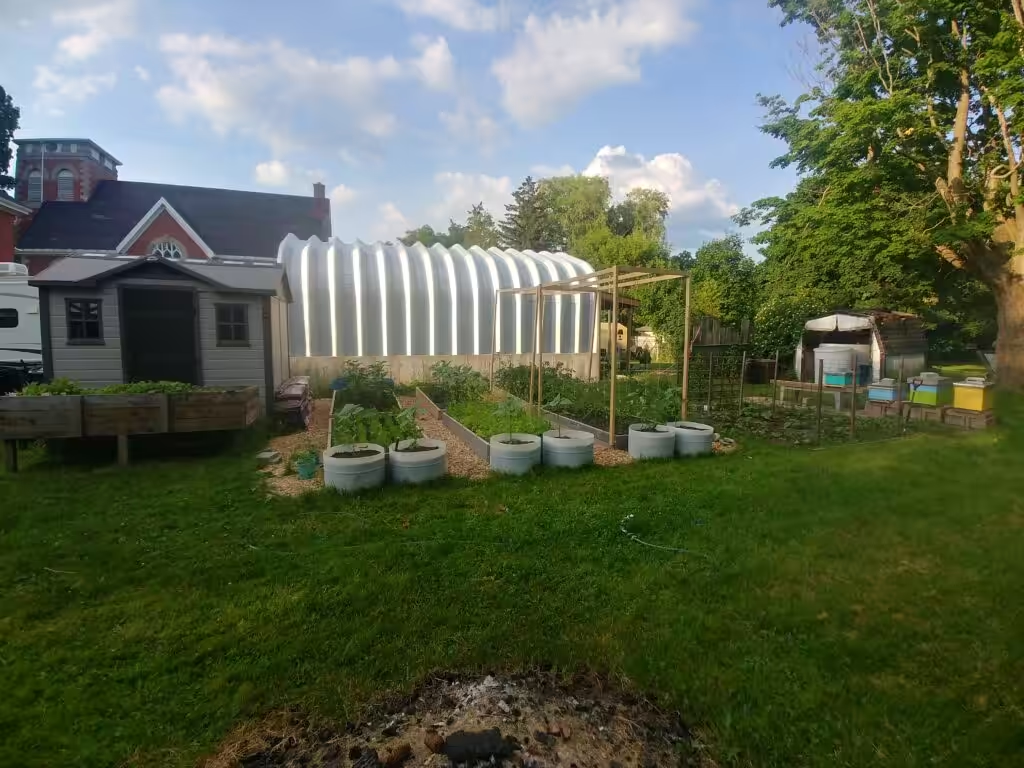
We avoid spraying chemicals and pesticides at all costs. Instead we use permaculture methods to reduce and manage pest infestation.
Ecological Restoration
Through the digging of 2 ponds and planting of thousands of native plants and trees; we have started to restore some of our farmland back to natural habitat.
Ducks
We give our ducks free range of our orchards and gardens to help with insect control. grubs, slugs, snails, flies and Japanese beetles are some of their favourites.

Targeted Traps
Species specific insect traps are placed where a problem has started and is much less damaging than spraying everything for a problem that doesn't exist yet.
Products
Honey
View Product
Honey
Raw unprocessed natural honey, produced on site direct from the hives. After it is extracted from the frames, it is gravity fed through a screen filter and put right into bottles. Available in 500g or 1000g jars.
Place OrderMeat
View Product
Meat
Our chicks are purchased from Frey's Hatchery as day olds and raised in a brooder for ~3 weeks. Once the chicks are old enough to handle the fluctuating temperatures they are moved out onto pasture in a chicken tractor. The tractor gets moved daily to allow fresh forage for the chickens and to keep the poop levels under them to a minimum. The added benefit is naturally fertilizing the ground under them. The chickens will live in the chicken tractor until they are approximately 9 weeks old and ready for processing. Processing is done in a licensed and government inspected facility to comply with all provincial rules and regulations. Available products include: whole chicken, breasts, thighs, drumsticks, carcass' for soup stock, feet, and organs upon request.
Place OrderMaple Syrup
View Product
Maple Syrup
Produced in very limited small batches from trees on the farm. We have mostly silver maple trees on the property and they have been said to produce a slightly richer "caramel" taste. Available seasonally in 250ml and 500ml bottles.
Place OrderProduce
View Product
Produce
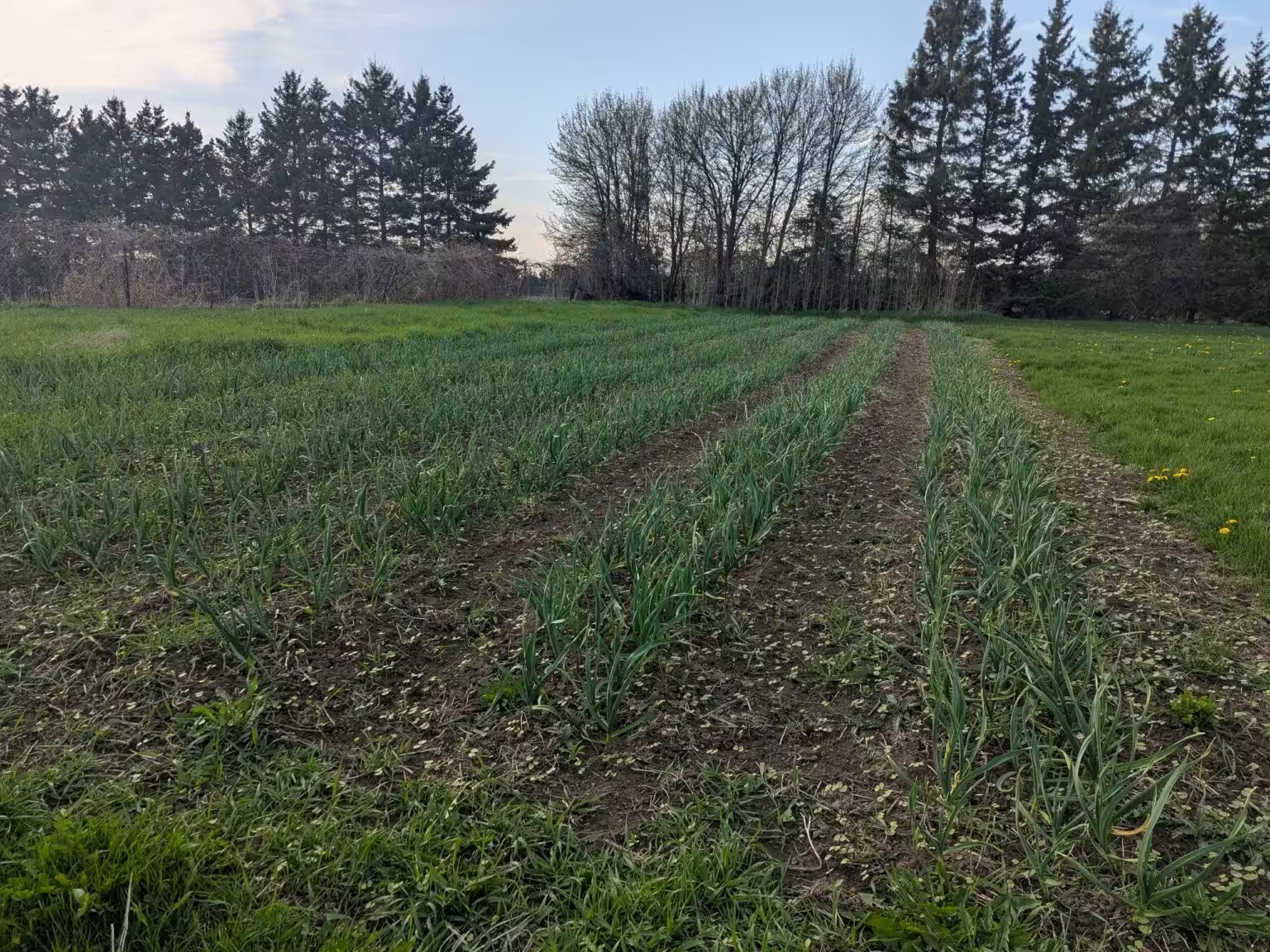
Our vegetables are grown in naturally amended soil with compost made from spent brewery grains, woodchips, leaves, and sheep/chicken manure. We companion plant beneficial flowers and herbs to help manage pests which we believe also produces a better tasting product. Produce availability and selection changes with the time of year but includes: garlic, carrots, beets, radishes, tomatoes, peppers, herbs, squash, beans, eggplant, and onions.
Contact UsFruit & Nuts
View Product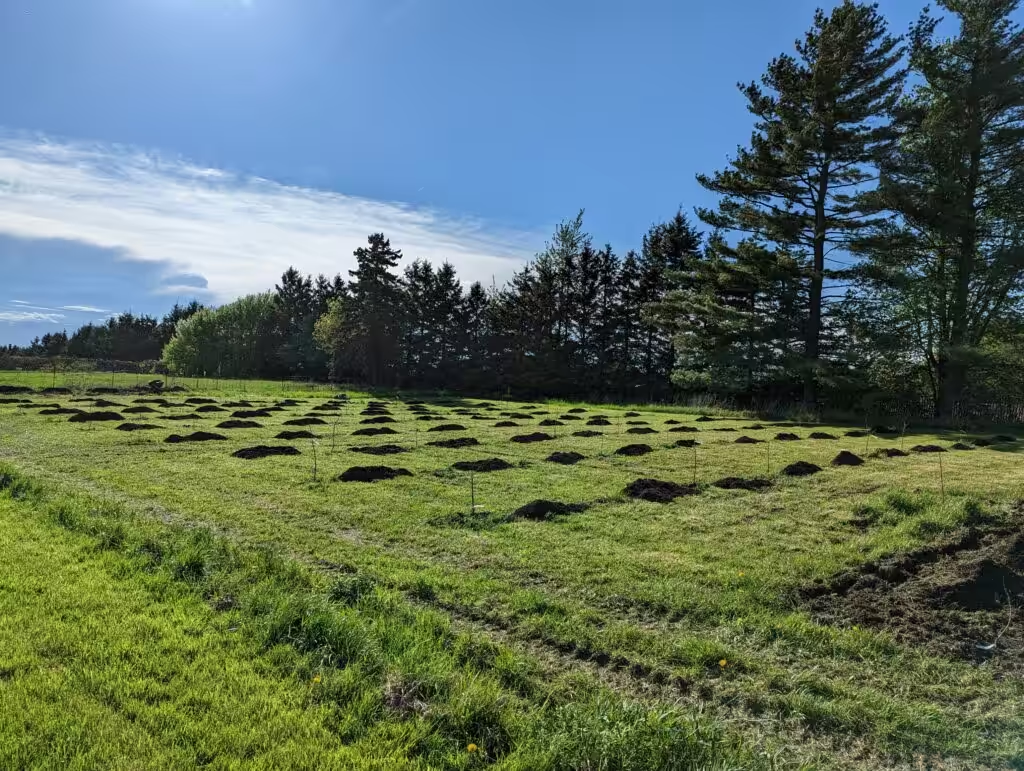
Fruit & Nuts
Our fruit trees/bushes are still young but we are planning to offer several different varieties of: Blackberry, raspberry, saskatoon berry, elderberry, currant, seabuckthorn, aroniaberry, hascap, grape, apple, pear, peach, cherry, plum.
Contact UsGallery


Contact
How Can We Help?
Let us know how we can help, or we would also love to hear what products you'd like to see available in the future from our homestead.
Frequently Asked Questions
Don't see your question here? Ask us in the inquiry form in the contact section above!